
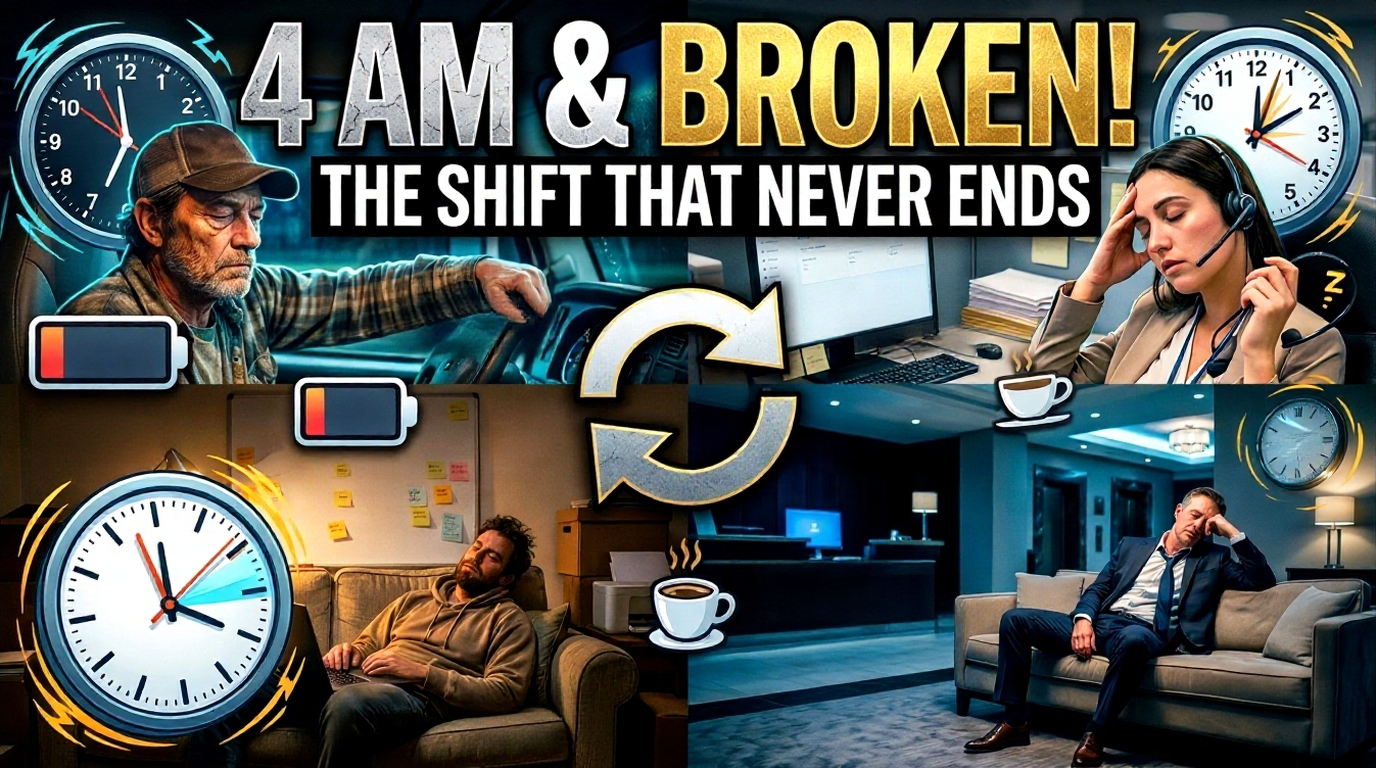
Sleep as a Human Right: Why Restorative Rest is the First Step Toward Emotional Regulation
Imagine it’s Monday morning. Your alarm goes off, and your eyes feel like they’re filled with lead. You didn’t sleep well because your mind was racing with work deadlines or family stress. By 10:00 AM, a coworker asks a simple question, and you find yourself snapping at them. Or perhaps, a small spill of coffee on your desk feels like a catastrophic end to your day.
Was it really about the coffee? Or the question?
Deep down, you know the answer. It’s your brain crying out for help. As highlighted in this powerful video insight, sleep isn’t just about “shutting down” for the night; it is the process of recharging your emotional reserves. When we sleep, we aren’t just resting our muscles—we are refueling the mental energy required to handle life without breaking down.
The Modern Myth: Why We Sacrifice Our Fundamental Right
In today’s “hustle culture,” we often treat sleep like a luxury or a reward for finishing our to-do list. We wear our exhaustion like a badge of honor. But let’s get one thing straight: Sleep is a fundamental human right.

Without restorative rest, our ability to regulate emotions—to stay calm under pressure, to empathize with others, and to maintain a positive outlook—effectively evaporates. When you are sleep-deprived, the “logical” part of your brain (the prefrontal cortex) loses its grip over the “emotional” part (the amygdala). This is why everything feels ten times harder when you’re tired.
Reclaiming Your Peace: A Step-by-Step Guide to Restorative Rest
If you want to build emotional resilience, you have to stop treating sleep as an afterthought. Here is how you can start reclaiming your right to rest:
1. Set a “Hard” Bedtime (Prioritize Your Biology)
Your body thrives on routine. By going to bed and waking up at the same time every day—yes, even on weekends—you train your brain to enter deep, restorative stages of sleep more quickly.
- Action Step: Set a recurring alarm on your phone to remind you to start winding down 30 minutes before your target bedtime.
2. Create a “Digital Sunset”
The blue light from our smartphones and laptops mimics sunlight, tricking our brains into thinking it’s daytime. This suppresses melatonin, the hormone that tells us it’s time to sleep.
- Pro-Tip: Put your phone in another room an hour before bed. Swap the scrolling for a physical book or a guided meditation.
3. Curate Your Sanctuary
Your bedroom should be a temple for rest. If it’s cluttered, too bright, or too warm, your nervous system stays on high alert.
- The Setup: Invest in blackout curtains, keep the temperature cool (around 65°F or 18°C), and ensure your pillows actually support you.

4. Master the “Brain Dump”
Many of us lie awake because we are rehearsing tomorrow’s problems. This creates a loop of “emotional friction” that prevents deep sleep.
- The Fix: Keep a journal by your bed. Write down the three things you’re worried about or need to do tomorrow. Once it’s on paper, your brain feels “permission” to let it go for the night.
The Emotional ROI (Return on Investment)
When you get 7–9 hours of high-quality sleep, you aren’t just “not tired.” You are emotionally armored.
Restorative rest allows your brain to process the day’s stressors. It’s like a dishwasher for your mind—scrubbing away the grit of daily frustrations so you can wake up with a clean slate. People who prioritize sleep report higher levels of patience, better problem-solving skills, and a significantly lower risk of burnout.
“Sleep is the best meditation.” — Dalai Lama
Final Thoughts: Your First Step Toward Healing
Emotional regulation doesn’t start with a complicated therapy session or a life-changing epiphany. It starts with your pillow. By treating sleep as a non-negotiable human right, you are giving yourself the grace to be human. You are acknowledging that to show up for the world, you must first show up for yourself.
The next time you feel overwhelmed, don’t ask yourself what you need to do. Ask yourself if you need to sleep.